Understanding Tensile Structures Definition Types and Applications
March 31, 2026 By admin
Understanding Tensile Structures: Definition, Types, and Applications
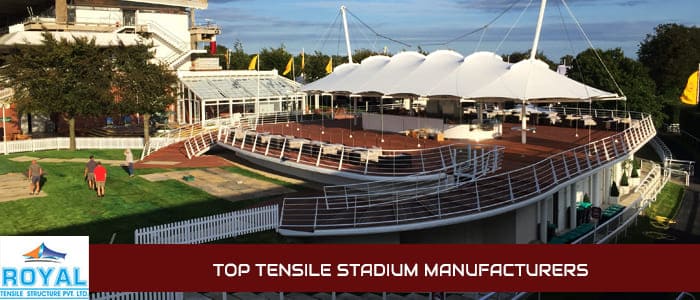
The architectural genius of Tensile Structures is a revolution in architectural practices characterized by charm, function, and engineering superiority. These are flexible, lightweight buildings that utilize tension as their lateral resistance and are aesthetically pleasing, providing both durability and cost-effectiveness. In stadiums where tensile fabric structures are utilized, or in urban areas where tensile walkway structures or tensile walkway grids are employed, their applications are numerous.
In this blog, we are going to discuss the meaning of tensile structures, various types of tensile structures, and the various places where they are being applied, like their skyrocketing use in Delhi.
What does a tensile structure mean?
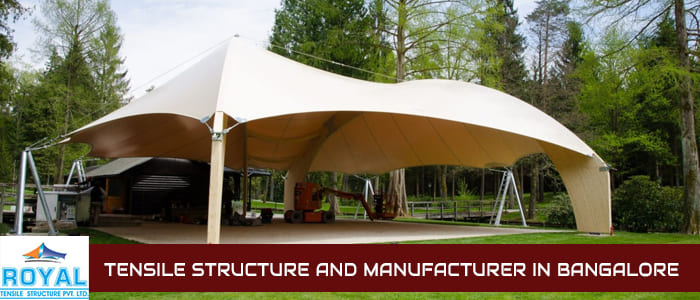
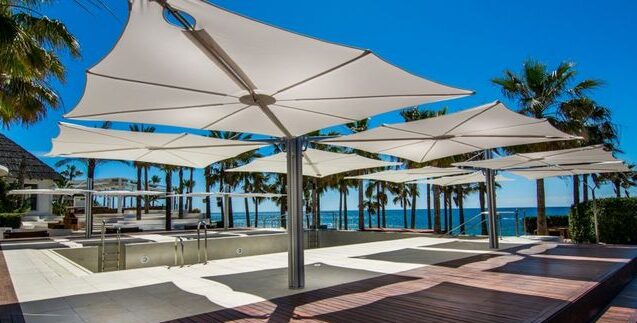
A tensile structure is a construction system, as the main load-bearing mechanism is tensile, not compressional or bent. This type of structure engineers employ, forms a composite of high-strength fabrics or membranes (such as PVC, PTFE, or ETFE) stretched over a cable, beam, or arch structure.
Important Properties of Tensile Structures:
- Sturdy and easy to carry around
- Bendable and capable of taking different forms
- Weather-resistant & UV-protected
- Attractive in its appearance, fresh design
Category of Tensile Structures
1. Tension Fabrics
- Produced out of coated polyester or PTFE membrane.
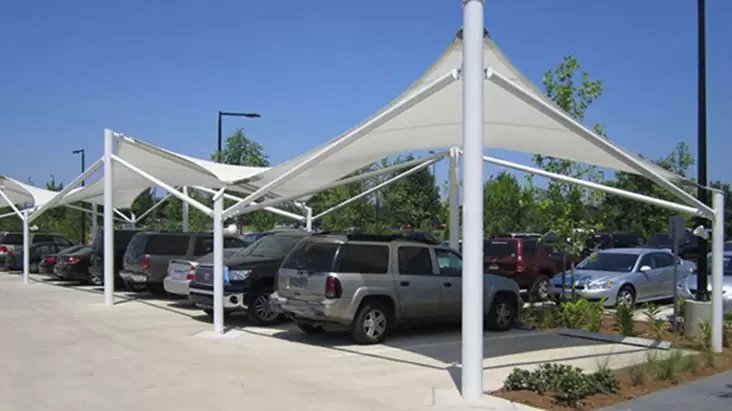
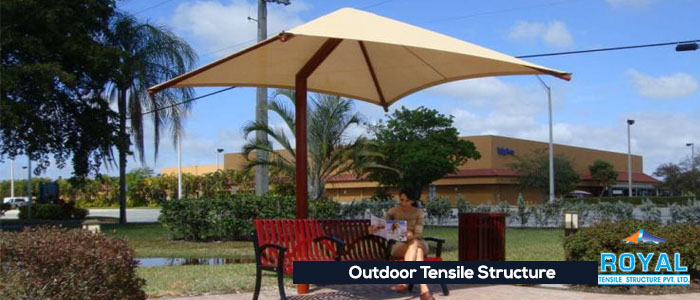
- Applied in shade canopies,adium roofs, and airport terminals.
- Example: Metrorail and public space building in Delhi with tensile fabric buildings.
2. Cable-Net Tense Structures
- Supports a mesh or a membrane through the use of steel cables.
- Suitable for big-span roofs and facades.
3. Tensegrity Structures
- The dynamic forms are formed with prestressed membranes.
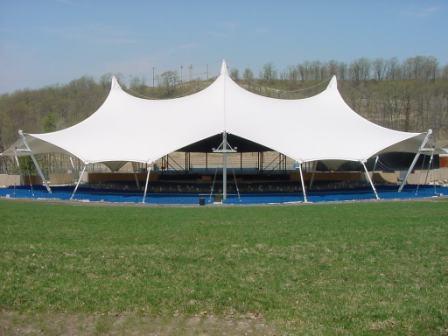
- Widespread in sports stadiums and showrooms.
4. Tension Walkway Structures
- Its design is for pedestrian bridges and covered walks.
- Shades and protects against the weather in the cities.
Uses of Tensile Structures
1. Construction and Business Applications
- Tensile roofs are used by shopping malls, airports, and hotels in order to obtain a modern look.
- Delhi is known to use tensile structures,s, particularly as bus stops and metro stations..
2. Sports & Entertainment
The Munich Olympic Roof is a stadium that implements a tensile membrane.
3. Public Infrastructure
The use of tensile walkway structures helps to increase the safety of walkers in parks and transportation systems.
4. Temporary and event structures
It can be used in exhibitions, concerts, and outdoors.
The Benefits of Choosing Tensile Structures.
Cheaper as compared to conventional roofing.
Easy installation using a few support systems.
Energy-saving, because of the presence of natural light.
Personalization of the designs of unique architectural statements.
Conclusion
The modernization of architecture is coming in the form of tensile structures, which combine strength, adaptability, and beauty. With a tensile fabric structure on a commercial complex or a tensile walkway structure in urban areas, all have one common thing, which is the solution to sustainability and innovation.